The U.S. dollar closed higher on Thursday (Sept. 25, 2025) after the country’s GDP (Gross Domestic Product) for the second quarter came in stronger than forecast. The upbeat data raised fresh doubts about how quickly the Federal Reserve will move forward with its expected interest rate cuts.
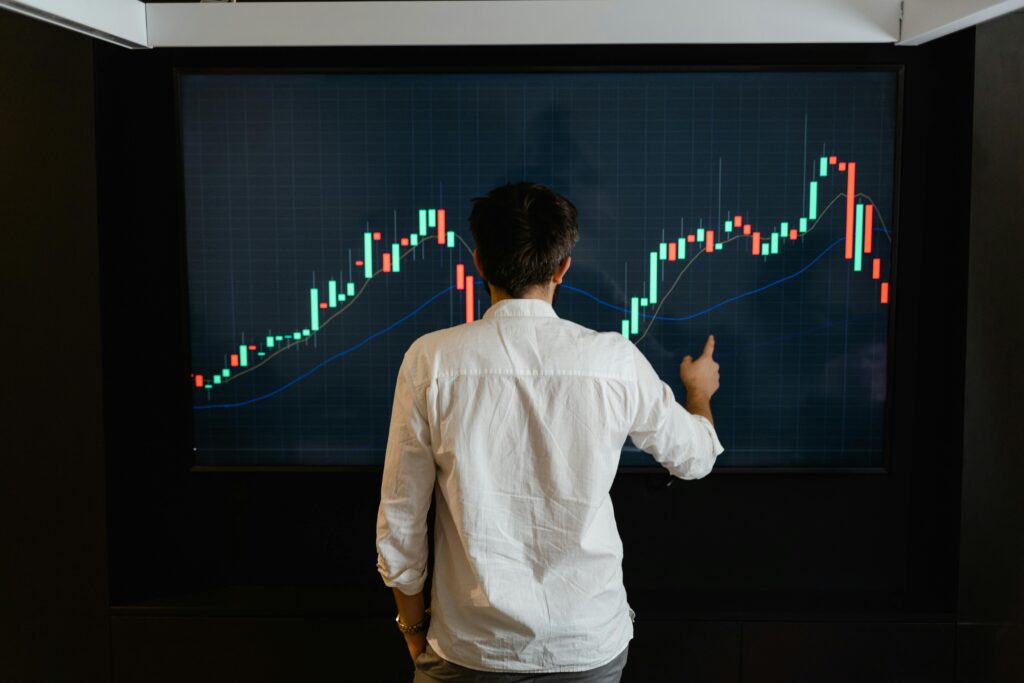
By the end of the trading session, the dollar advanced 0.69%, trading at R$ 5.363. In contrast, Brazil’s benchmark index, the Ibovespa, slipped 0.81% to 145,306 points, erasing part of the historic gains recorded just a day earlier.
Why the U.S. GDP Data Matters
Stronger-than-expected growth in the U.S. economy signals resilience, but it also creates uncertainty for global markets. Investors had hoped that slowing growth would give the Fed more room to cut interest rates sooner. Instead, robust GDP figures suggest policymakers may need to stay cautious, keeping rates higher for longer.
This dynamic often leads to:
- A stronger U.S. dollar compared to emerging market currencies.
- Pressure on stock markets like Brazil’s Ibovespa.
- Increased volatility in commodities such as oil and metals.
Impact on the Brazilian Market
While international investors celebrated Wall Street’s resilience, the Brazilian stock market faced selling pressure. The Ibovespa had just hit a new all-time high earlier this week, but the stronger dollar prompted caution among traders.
Key factors weighing on the local market include:
- Exchange rate risk – a stronger dollar makes Brazilian assets less attractive to foreigners.
- Export costs – companies dependent on imports face higher expenses.
- Inflationary pressure – currency devaluation can increase import prices, complicating Brazil’s monetary outlook.
What Investors Should Watch Next
Analysts highlight three main points to keep an eye on:
- Federal Reserve signals: Any shift in Fed guidance could reshape expectations for the next rate cut.
- Brazilian Central Bank policy: With the Selic rate at 15%, authorities may adopt a more cautious stance if currency pressures persist.
- Global risk appetite: From geopolitical tensions to oil price fluctuations, global events will continue to influence both the dollar and the Ibovespa.
Final Takeaway
The dollar’s rise against the Brazilian real highlights how interconnected global markets are. For investors, the lesson is clear: tracking international economic indicators is just as important as following local news.
If you want to understand how to protect your money during volatile times, improving your financial education is the first step.